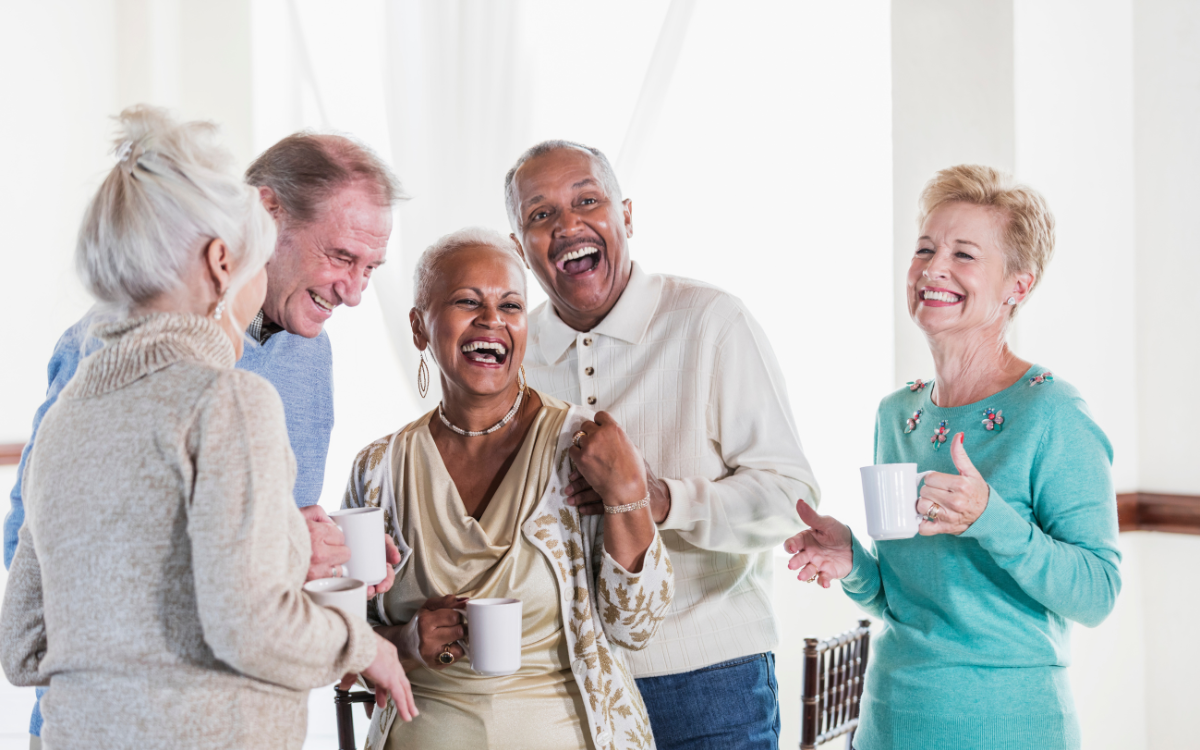
Imagine a room buzzing with laughter, stories, and the clinking of coffee cups. That’s the heartwarming scene at the core of senior socializing. It’s not just about passing time; it’s about crafting golden years filled with joy and connection.
Gone are the days when aging meant solitude. Today, seniors are finding their groove in community settings that spark friendships and kindle shared interests. They’re combating loneliness head-on, knitting together stronger social fabrics—one interaction at a time.\

This dance of life doesn’t just warm hearts; it shields them too. By staying socially active, older adults can tap into health benefits like lower hypertension risks and sturdier mental fortitude against depression or anxiety—perks we’ll dive deep into here.
The Importance of Community Involvement for Aging Adults
For aging adults, involvement in a community is not just about having fun but also essential to their well-being. It’s crucial to their well-being. With nearly three in ten American seniors living solo and 43% feeling the sting of loneliness, it’s clear why we need to tackle senior isolation head-on.
Community programs are lifelines that reel older adults back into the warm embrace of society. They’re not merely gatherings; they’re platforms where stories and laughter intertwine, creating bonds that light up later years with joy and purpose.
.
Combating Senior Isolation Through Community Programs
Elder care communities know this all too well: when seniors engage in social activities, they thrive. Think exercise classes buzzing with energy or art sessions painting away solitude—these aren’t just pastimes but pathways leading out from the shadows of isolation.
To beat back loneliness which is as harmful as smoking 15 cigarettes a day according to the National Institute on Aging, innovative community settings offer an array of opportunities designed for every interest and ability level, letting our cherished elders weave strong social threads once more.
How Elder Care Communities Foster a Sense of Belonging
In these havens called elder care communities, every resident lives close enough to become a potential friend or confidant—a critical factor considering how meaningful connections can ward off mental health concerns like depression or anxiety.

Social circles here don’t just brighten moods; they bolster cognitive health against risks such as Alzheimer’s disease by keeping brains sharp through lively conversation and collective problem-solving adventures. And because staying socially active is linked to longer life spans—as research suggests—it’s no wonder these places feel less like facilities and more like springboards into vibrant golden years full of laughs, learning, love…and maybe even some line dancing.
Engaging Activities to Keep Seniors Connected
It’s no secret that social butterflies often flit through life with a bit more zest. For seniors, the buzz of being socially active is not just about having fun—it’s a lifeline to better health and happiness.
Local Events That Bring Seniors Together
Finding local events for seniors can be like hitting the jackpot for staying engaged in your golden years. These gatherings are perfect spots where you might bump into an old friend or strike up a conversation with someone who shares your love for knitting or fishing. From potlucks in the park to book clubs at the library, these activities provide ample opportunities for laughter and camaraderie among peers.
Better yet, why not get those feet moving with some exercise classes designed specifically for older adults? The combination of physical activity and social interaction is like peanut butter and jelly—perfect together. It keeps both body and mind sharp while reducing risks associated with heart disease. You don’t need stats to tell you it feels good; you can feel it yourself when your spirits lift after a Zumba class.
Virtual Spaces for Seniors to Connect Online
In today’s digital age, online forums have become virtual community centers brimming with discussions on every topic under the sun—from gardening tips to grandparenting hacks. Senior engagement here isn’t just about swapping stories; it’s also building bridges across miles that otherwise separate friends who live far apart.

The internet gives us access to Senior Lifestyle activities, so loneliness doesn’t stand a chance against this army of connected aging adults determined to keep their social lives buzzing online as well as offline. And remember those key stats: Lonely folks face higher rates of poor health outcomes—but luckily, tapping away on keyboards in lively chat rooms helps improve mood and memory recall one message at a time.
Physical Health Benefits of Socializing for Seniors
The golden years shine brighter with good company. It’s no secret that a hearty laugh over coffee with friends or a brisk walk in the park can do wonders, but did you know these simple social joys also pack a punch against health adversaries like hypertension and heart disease? Let’s unwrap how an active social life keeps seniors’ physical health ticking along nicely.
Exercise Classes as Social Outlets
Social interactions aren’t just about chit-chat; they’re catalysts for movement too. When older adults join exercise classes, they hit two birds with one stone: nurturing their need for human connection while keeping those joints agile. The best exercises for seniors often happen in groups—think yoga, tai chi, or dance—and this group dynamic does more than motivate. It weaves a safety net of support and camaraderie that is vital as age ticks upward.
Bonding through burpees might sound like an odd form of friendship, but it works. Participants find common ground in their shared goals for health and longevity which often leads to reducing hypertension through socializing—a win-win scenario where blood pressure numbers drop as smiles widen.
Data doesn’t lie: having limited social connections increases the risk of severe conditions by staggering percentages—including a 29% uptick in heart disease likelihood among isolated individuals. So when your neighbor invites you to water aerobics at the local pool, dive into the opportunity—it could be doing your heart some serious favors.
A chat post-stretching isn’t just small talk; it’s part of staying socially engaged to foster both mental acuity and physical vitality well into retirement. Who knew working up a sweat could be such potent medicine?
Mental Health Advantages of an Active Social Life in Later Years
Picture this: a group of older adults, laughing and sharing stories at a local cafe. This isn’t just about having fun; it’s a snapshot of how staying socially active can boost mental health for seniors. Combating depression in aging adults through friendship is more than just coffee dates—it’s building connections that foster emotional support and positive moods.
Research shows loneliness can be as damaging to our well-being as smoking 15 cigarettes a day. But there’s good news. Regular socializing has been connected to better psychological well-being, so much that studies propose a dynamic social life could diminish the danger of dementia by up to 50%. That’s huge.
Cognitive health improvements from socialization aren’t small potatoes either. Engaging with friends and participating in community activities keeps the brain sharp, potentially staving off Alzheimer’s disease and other forms of cognitive decline. The American National Institute on Aging points out that meaningful connections are not only enjoyable but also critical for maintaining brain function as we age.
What does it mean to be socially active? It could mean joining exercise classes which double as great places to meet people or tapping into online forums where one can find peers with similar interests—even if they don’t live close by.
The key takeaway here? A strong social network leads to longer life expectancy, higher levels of happiness, fewer negative feelings, healthier behaviors—and let’s not forget—a sharper mind. As outlined by the AARP, friendships enrich our later years immeasurably while acting as armor against public health concerns like isolation.
FAQs in Relation to Senior Socializing
How do I stop being lonely as a senior?
Dive into local clubs or online groups. Regular chats with family and friends also slash those solo vibes.
How do senior citizens socialize?
Elders mix it up at community events, fitness classes, volunteer gigs, or online forums tailored for the silver set.
What are two common causes of loneliness in the elderly?
Losing a partner hits hard. So does dwindling mobility which can clip an elder’s social wings pretty quick.
What are examples of socialization in the elderly?
Coffee meetups, book clubs, dance sessions—seniors getting their mingle on boosts spirits and sharpens minds.
Conclusion
Senior socializing isn’t just nice to have; it’s a lifeline. Remember, community involvement can ward off loneliness and boost overall health. Aging adults who connect with others tend to live longer, happier lives.
Stay active, stay engaged. Whether through local gatherings or online forums, meaningful connections matter at every age. They keep the brain sharp and the heart strong.
Exercise your social muscles as you do your physical ones—join a class or club! This helps beat back both high blood pressure and isolation.
Last but not least: cherish those chats over coffee or phone calls with friends—they’re more than pleasant pastimes; they’re buffers against mental decline and paths to emotional resilience for older adults everywhere.
Let us know what you think