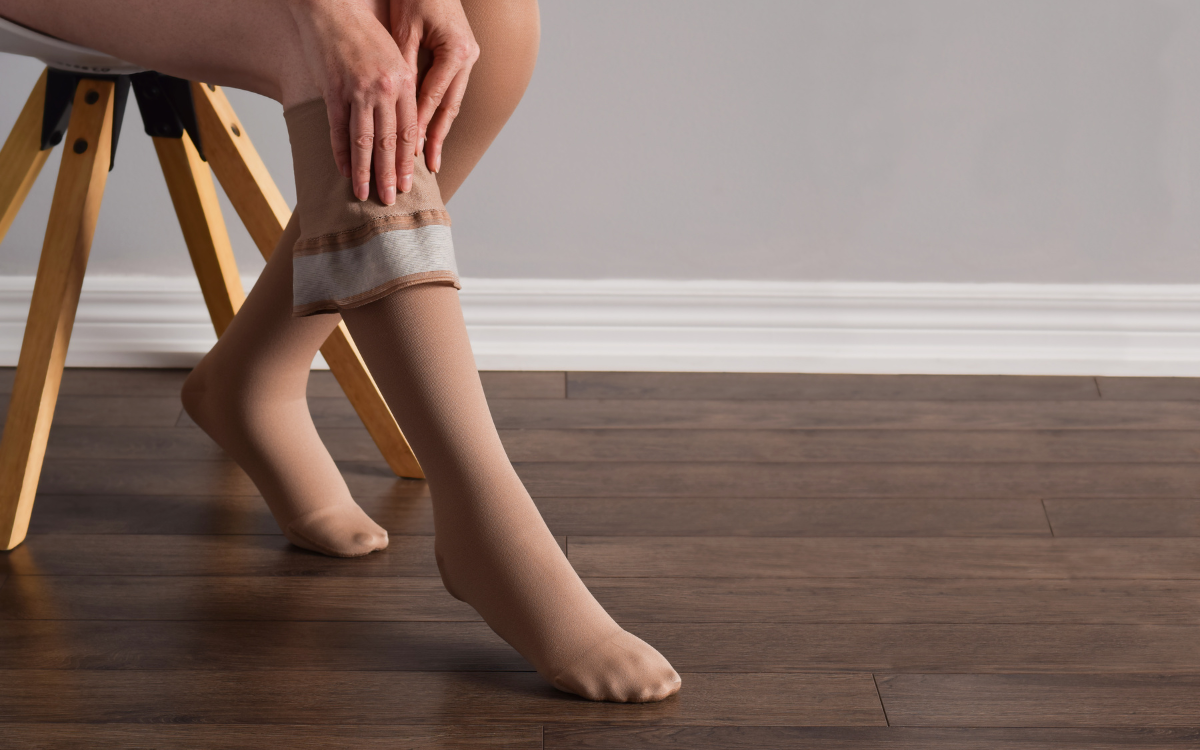
Compression therapy might sound clinical, but it’s simply about giving your legs a helpful squeeze. It’s like a firm handshake with your veins to boost blood flow and get things moving the right way. For seniors dealing with leg ulcers or varicose veins, this gentle pressure can be a game-changer.
Compression therapy isn’t just tight socks; it’s an avenue back to active living. By choosing the perfect fit from EasyComforts.com, you’re one step closer to managing that stubborn swelling in your legs.
This chat will guide you through different types of compression gear – stockings for daily wear or bandages for that custom wrap job. We’ll also make sure you know how to use these products safely because nobody wants more trouble than they started with
Understanding Compression Therapy and Its Benefits for Seniors
If you’re caring for a senior, you might have heard of compression therapy. It’s like giving your legs a gentle hug all day to keep the blood flowing strong. This simple yet effective approach is key in managing not-so-fun leg issues that tend to bug older adults, such as varicose veins and stubborn leg ulcers.
What is Compression Therapy?
You can think of compression therapy as an ally against gravity. When we stand or sit too long, our blood gets lazy about returning to the heart – especially true for seniors with venous insufficiency. That’s where compression therapy steps in. By applying controlled pressure via stockings or bandages, it boosts circulation back up north and keeps swelling down south at bay.
This isn’t just wishful thinking; studies show this kind of support helps increase blood flow significantly. And let me tell you, those legs will thank you because improved circulation means less pain from those swollen ankles after sitting through another one of those marathon bingo sessions.
Advantages for Elderly Patients
Elderly skin might be delicate but don’t underestimate its ability to heal. With consistent use of compression gear—think socks that graduated from college (graduated compression)—seniors see real gains in healing gnarly leg ulcers caused by poor circulation. We’re talking serious business here: enhanced oxygen delivery around the clock leads directly into a smoother healing process.
The beauty lies not only in keeping existing conditions under control but also preventing new ones from popping up like unwanted weeds—no more random deep vein thrombosis scares after watching TV all afternoon. Plus, when used correctly, these snug accessories reduce swelling so effectively they could make even puffy morning eyes jealous.
- Increase blood circulation? Check.
- Kick pain and swelling out? Double-check.
- Athletes love it too – triple score.
Types of Compression Therapy Products Available
If you’ve ever felt dizzy after standing up too fast or noticed your ankles looking like overstuffed sausages, compression therapy might just be the unsung hero you’re missing. It’s all about giving a squeeze to improve blood flow and kick leg swelling to the curb.
Compression Stockings as a Popular Choice
Talk about stepping into comfort—compression stockings are like hugs for your legs. They come with different pressure ratings, measured in mmHg, because one size does not fit all when it comes to squeezing those calf muscles. Just imagine that graduated compression working its way up your leg; it’s practically coaxing the blood back to your heart.

The beauty of these stretchy wonders is they can tackle everything from varicose veins to orthostatic hypotension without breaking a sweat. You’ll find them at medical supply stores like EasyComforts.com, where variety meets quality.
Bandages and Wraps for Ease of Use
Sometimes life calls for an adjustable approach—that’s where bandages provide their magic touch. Elastic bandages and multilayer wraps offer flexibility alongside controlled pressure, perfect for those days when even socks seem complicated.
We’re talking customizable snugness that works overtime on stasis ulcers without strangling tender skin over bony prominences. Plus, if applying tight hosiery feels akin to wrestling an octopus (and who hasn’t been there?), then reaching out for elastic wrap could be a game-changer in managing venous insufficiency or deep vein troubles.
I remember my grandpa chuckling as he wrapped his legs before our Sunday walks together—it was his secret weapon against pesky clots forming during long periods of sitting watching baseball games. And hey, he wasn’t wrong; studies show that well-fitted compression gear can reduce soreness even if you’ve been planted on the couch longer than intended.
Selecting Suitable Compression Products from EasyComforts.com
Finding the right compression gear can be a bit like Goldilocks and her porridge—not too tight, not too loose, but just right. When you’re on the hunt for these items at a medical supply store, remember that proper fit is key to getting those therapeutic benefits without feeling like you’re in a squeeze play
Importance of Proper Fit
To avoid buying something that’ll gather dust in your closet, wear compression stockings that hug your legs comfortably. You don’t want them cutting off circulation or falling down every five minutes—that’s just asking for trouble. And here’s another tidbit: products are rated based on pressure provided in mmHg. So if healthcare providers recommend it, you know it’s legit. Let me tell ya’, squeezing into something meant for someone else never ends well—trust me.
Getting cozy with measuring tapes might sound tedious but believe me; when those stockings fit properly, they’ll work wonders improving blood flow and reducing swelling caused by varicose veins or leg ulcers. Check out EasyComforts.com’s Range, where finding your size isn’t rocket science—it’s actually pretty straightforward.
Navigating Pressure Levels and Materials
Picking out compression therapy products feels a lot like ordering coffee—lots of choices and everyone wants theirs a certain way. If chronic venous insufficiency has been giving you grief or prolonged sitting makes your ankles puff up more than blowfish during high tide—you’ll need to get strategic about pressure levels.
We’re talking gentle hugs versus firm handshakes here—the range goes from light support (think tickle) all the way up to heavy-duty (now we mean business). At Easy Comforts, there’s no guesswork because each product spells out its strength clearly—no surprises.
Last pro tip? Material matters as much as style does with shoes; some fabrics breathe easier while others flex their muscles more around bony prominences—a fancy term I picked up meaning “those knobby bits.” It pays off to find what works best so check out options available at EasyComforts.com. After all who doesn’t love shopping online
How to Safely Implement Compression Therapy in Senior Care
When it comes to senior care, wearing compression garments safely is key. Putting on compression garments is like slipping a snug-fitting glove over your hand; it should be comfortable, not too tight and not overly loose. But remember, these aren’t your average socks or sleeves. They’re medical superheroes for the legs and arms that help improve blood flow and reduce swelling.
Selecting the Right Gear
Finding the perfect fit is crucial because ill-fitting compression can be about as helpful as a screen door on a submarine—utterly useless. Seniors need graduated compression or compression socks that applies controlled pressure at different points. Imagine an invisible masseuse gently squeezing your leg from ankle to knee, keeping things moving in the right direction.

At EasyComforts.com, there’s an array of sizes and styles designed specifically for those golden years when comfort meets necessity. And let’s face it: No one wants grandma feeling like she’s wrestling with her stockings every morning.
Making Sure It Sticks—Safely.
The beauty of this therapy works wonders while seniors are up and about during daylight hours but here’s something nifty—they may also stay put overnight if needed for certain conditions (always check with healthcare providers first). So think of them like vigilant night guards making sure blood doesn’t take any wrong turns while loved ones sleep.
Caregivers should keep their eyes peeled for signs of trouble though because even super-garments have their kryptonite—like skin irritation or more severe side effects if not used correctly. To avoid walking into such pitfalls, always follow prescriptions down to the letter (or millimeter of mercury – mmHg).
If doubts ever creep in about how long they should be worn or what pressure level suits best, don’t play guessing games—it’s better to ask professionals than risk turning minor issues into major headaches.
FAQs in Relation to Compression Therapy
What is compression therapy used for?
Doctors often recommend compression therapy to boost leg circulation, reduce swelling, and alleviate pain from conditions like varicose veins.
Does compression therapy actually work?
Affirmative. Studies show that consistent use of compression therapy can improve blood flow and significantly reduce discomfort in the legs.
Why do people need compression therapy?
People need compression therapy to manage various health issues, such as edema or poor circulation, that cause aching and swollen legs.
Who should not use compression therapy?
Individuals with severe arterial disease, skin infections, or heart failure might be advised to steer clear of compression therapy.
Conclusion
Wrap up tight, and take heart. Compression therapy is your ally against leg troubles. Remember: it’s about more than snug socks; it’s a lifeline for legs needing relief.
Start with the right fit, keep in step with medical advice, and let EasyComforts.com be your guide to gear that gets you going again.
You’ve learned the ropes—how compression therapy works wonders for blood flow and swelling. You’ve seen how stockings can offer daily support while bandages wrap you up just right when needed.
So stride forward with confidence knowing that better circulation is within reach. Because every senior deserves to step out in comfort, without skipping a beat.
Let us know what you think