In today’s world, where many of us juggle busy lives and have aging loved ones, finding the right home healthcare products, daily living aids, and the best home healthcare items can feel overwhelming. Taking the time to explore available options like light therapy devices, tens units, cold therapy products, and other healthcare solutions can make a significant difference. This exploration can improve a person’s comfort, independence, and overall well-being. Let’s explore the top ten essential home healthcare items for daily living.
The customer service at healthcare product companies can help you find the specific product type you are looking for, so don’t hesitate to reach out for help. Ordering healthcare solutions for yourself or a loved one should be an easy process. From ergonomic supports that ease daily aches to mobility aids that foster independence, there’s a wide array of home healthcare products, daily living aids, and the best home healthcare items to make everyday life a bit easier.
Top 10 Home Healthcare Products for Enhanced Daily Living
As we get older or face physical challenges, simple everyday tasks can start to feel more difficult. This is where home healthcare products can truly make a world of difference. These healthcare solutions, many of which are FSA or HSA/FSA eligible, can help improve quality of life for individuals dealing with various ailments.
1. Reachers
A reacher is an indispensable tool for those who have difficulty bending or reaching overhead. Whether grabbing items from high shelves or picking things up off the floor, a reacher extends your grasp and eliminates unnecessary strain. This makes them perfect for individuals with back pain, hip injuries, or limited mobility.
2. Grab Bars
Grab bars are essential for enhancing safety and stability in the bathroom. Installing grab bars near the toilet and in the shower can provide a firm grip and prevent slips or falls, especially for those with limited balance or mobility. They are particularly helpful for the elderly and individuals recovering from surgery or experiencing muscle weakness.
Standing for extended periods in the shower can be challenging for individuals with arthritis, joint pain, or balance issues. A shower chair provides a comfortable and safe place to sit while showering, promoting independence and reducing the risk of accidents. Shower chairs come in various sizes and styles to accommodate different needs and bathroom sizes.
Getting on and off the toilet can be particularly challenging for those with hip or knee pain. A raised toilet seat adds extra height, making it easier to sit down and stand up comfortably. This simple modification can make a significant difference for people with limited mobility or recovering from hip surgery.
Remembering to take multiple medications at different times of the day can be daunting. Medication organizers simplify medication management, with compartments for each day of the week and individual doses, promoting medication adherence and preventing accidental missed doses. This is particularly useful for individuals managing chronic conditions or taking multiple prescriptions.
Falls are a significant concern, especially in the bathroom where wet surfaces are common. Non-slip mats can be a simple solution for increasing safety and reducing the risk of accidents. Strategically placed in the bathtub, shower, and on the bathroom floor, non-slip mats can significantly reduce the risk of slips and falls, offering peace of mind for both users and their families.
Buttoning shirts, zipping pants, and putting on socks can be a struggle for those with limited dexterity. Dressing aids like button hooks, zipper pulls, and sock aids make these tasks manageable again. These products enable people to maintain their independence when it comes to dressing, which can boost self-esteem and confidence.
8. Walking Aids
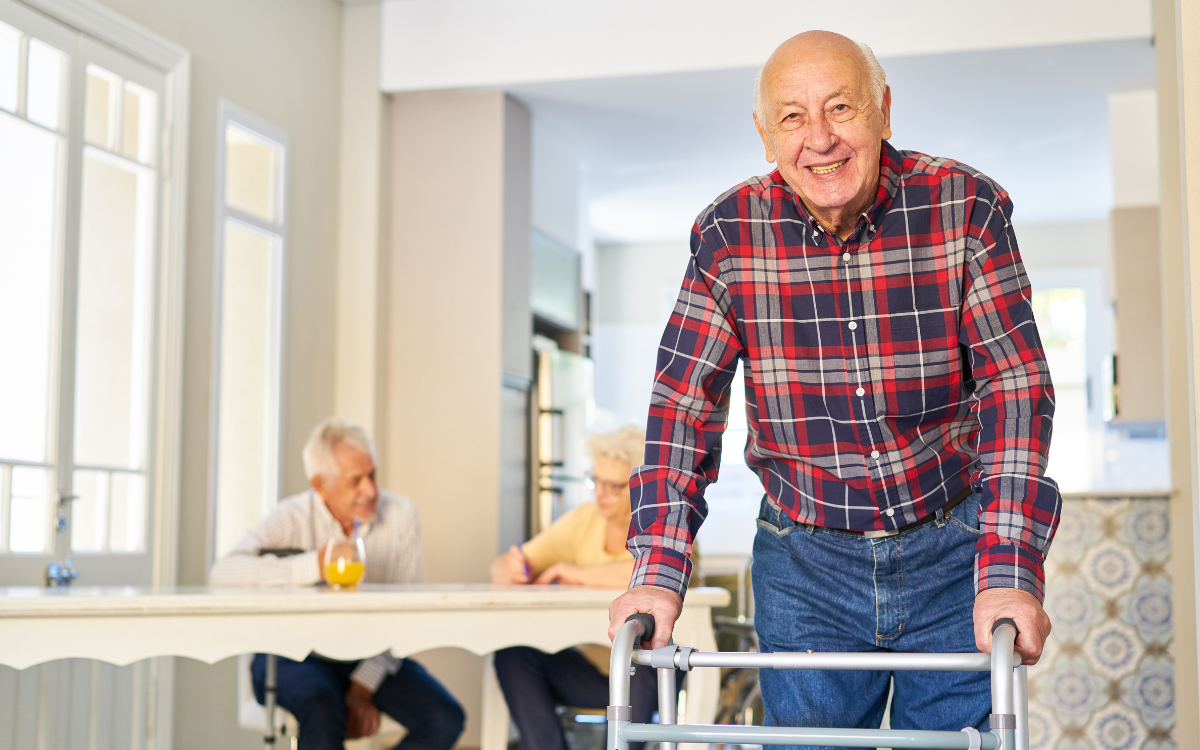
For individuals with difficulty walking, assistive devices like walkers, canes, and crutches offer crucial support. They provide balance and stability, making it easier to navigate indoors and outdoors, promoting an active lifestyle despite mobility limitations. Some even come equipped with built-in seats for convenient resting breaks. Walking canes and cane accessories offer variations for specific needs, like adjustable heights or ergonomic handles.
Getting to the bathroom in the middle of the night can be challenging and potentially hazardous, particularly for older adults or individuals with mobility limitations. A bedside commode offers a convenient and safe alternative for those who have trouble reaching the toilet on time. This product provides dignity and comfort by eliminating unnecessary nighttime trips to the bathroom, reducing the risk of falls and ensuring a better night’s sleep.
Adaptive eating utensils with ergonomic handles and weighted designs are a game-changer for those with hand tremors, arthritis, or limited grip strength. They provide a more secure grip, making it easier to eat independently without spilling food. They help promote independence and a more dignified dining experience for those struggling with motor skills or physical limitations.
FAQs about Home Healthcare Products Daily Living Aids Best Home Healthcare Items
FAQ 1: What are daily living aids examples?
Daily living aids are tools and devices designed to assist individuals with everyday tasks that may have become challenging due to aging, injury, or disability. Here are some examples of daily living aids:
- Reachers: These handy tools extend your reach, making it easier to grab objects from high shelves or pick things up from the floor, reducing strain on your back and knees.
- Grab Bars: Installed in bathrooms, particularly near toilets and showers, grab bars offer additional support and stability, preventing falls and making it safer to navigate these areas.
- Shower Chairs: These waterproof chairs provide a secure and comfortable seat while showering, ideal for individuals who have difficulty standing for extended periods.
- Raised Toilet Seats: By elevating the height of the toilet seat, these aids make it easier to sit down and stand up from the toilet, particularly helpful for people with hip or knee pain.
- Medication Organizers: Keeping track of multiple medications and their schedules can be overwhelming. Medication organizers simplify this process with compartments for each day and dose, promoting medication adherence.
- Non-Slip Mats: Strategically placed in areas prone to wetness, like bathrooms and kitchens, non-slip mats offer enhanced traction, reducing the risk of slips and falls.
- Dressing Aids: Button hooks, zipper pulls, and sock aids fall under this category, assisting individuals with limited dexterity in dressing themselves independently.
- Adaptive Eating Utensils: Featuring ergonomic designs and weighted handles, these utensils make it easier for individuals with tremors or limited grip strength to eat comfortably and with dignity.
FAQ 2: What are home health devices?
Home health devices encompass a range of medical equipment designed for use in a home setting, often to monitor, manage, or treat specific health conditions. These devices vary significantly in complexity and purpose, from simple to sophisticated technologies. Here are some examples of home health devices:
- Blood Pressure Monitors: Regularly monitoring blood pressure is crucial for individuals with hypertension. Home blood pressure monitors provide a convenient way to track blood pressure readings and share them with healthcare providers.
- Pulse Oximeters: These small devices clip onto a fingertip to measure blood oxygen levels. They are useful for monitoring conditions like COPD or sleep apnea, alerting individuals to low oxygen levels.
- Glucose Meters: Essential for individuals with diabetes, glucose meters allow for self-monitoring of blood sugar levels, empowering them to manage their condition effectively.
- Nebulizers: For respiratory conditions like asthma or COPD, nebulizers convert liquid medication into a fine mist for inhalation, delivering medication directly to the lungs.
- CPAP Machines: Continuous Positive Airway Pressure (CPAP) machines are commonly used to treat sleep apnea. These devices deliver a constant stream of pressurized air, keeping airways open during sleep.
Remember, consulting with a healthcare professional or occupational therapist is crucial before purchasing or using any home health devices to ensure they are appropriate for your specific needs and health conditions. They can guide you toward products that best suit your requirements and provide instructions on their proper usage.
Conclusion
Embracing home healthcare products, daily living aids, and the best home healthcare items can greatly enhance independence, comfort, and safety for individuals facing physical challenges. Whether it’s simplifying daily tasks or promoting accessibility, these innovative products play a vital role in fostering well-being. There’s a diverse range of products available, so don’t hesitate to explore and see which items would best fit the needs of those seeking greater comfort and ease in their daily lives. Remember, it’s always wise to consult with a healthcare professional or occupational therapist to receive personalized recommendations tailored to specific individual needs.
Let us know what you think